

Why Introverts Often Make Exceptional Dancers (and Don’t Realize It)
In many dance spaces, confidence is easy to mistake for visibility. The dancers who talk the most, look confident, or seem instantly comfortable often receive the most attention. And if, like me, you have ever assumed that this automatically makes introverts less suited for dance - then, like me, you were totally wrong!
While some dance teachers may reward volume, dance itself actually rewards attention.
Again and again, some of the most grounded, expressive, and deeply connected dancers turn out to be introverts. And many of them never realize that their natural way of being is already aligned with what dance asks of us all.

How to Say No (Gracefully) in Partner Dances
In a social dance setting, declining a dance invitation, needing a break, or choosing not to engage can feel deeply uncomfortable, especially in environments where participation is assumed and expected.
If you’ve ever said yes when you meant no, stayed on the floor longer than you wanted, or felt guilty for taking a break, you’re not alone. Many introverted dancers struggle not because they lack kindness - but because they have too much of it, directed outward instead of inward.
Learning to say no gracefully is not about becoming less kind. It’s about becoming clearer.
The Introvert-Friendly Warm-Up: Reset Your Nervous System Before Class
For many introverted dancers, the hardest part of class is the transition into “dance mode.” You may come straight from work, errands, traffic, or social obligations and suddenly be expected to connect physically, learn quickly, and stay present in a busy room.
If you’ve ever felt scattered, tense, or “not quite in your body” at the start of class, it’s not a lack of discipline or focus. It’s your nervous system asking for a moment to recalibrate.
This is when a warm-up can be useful - not just for your muscles - but for your mind.
How to Ask Someone to Dance When You’re an Introvert
Let’s just come out and say it - a “no” on a dance floor always feels personal, no matter the reason behind it. For introverts, this is doubly true.
But in social dance, a “no” usually reflects timing, energy, or circumstances - not your worth or skill as a dancer. A “no” most commonly means the person is tired, or (more often) not confident in their skills for the particular dance. That’s it. It is very rarely about dancing with you in particular.
Building Confidence on the Dance Floor When You’re Naturally Shy
Confidence in dance is often misunderstood. Many dancers equate confidence with being outgoing - chatting easily, jumping into every dance, taking up visible space. If you’re naturally shy or introverted, it can feel like your way of being doesn’t really belong on the dance floor.
But true confidence in dance doesn’t come from personality. It comes from clarity, presence, and trust in your own body. And those are skills introverts can build quietly and effectively.
Finding Your Flow: How Introverts Can Use Their Natural Strengths in Dance
By observing closely, introverts pick up patterns, mechanics, and subtleties that aren’t always explained out loud. Over time, this leads to a deeper understanding of movement and structure. Many introverts notice that once something "clicks" internally, it stays with them.
The Quiet Dancer’s Guide to Surviving Social Dance Events
If you’ve ever loved the idea of social dancing more than the reality of it, you’re not alone. Crowds, noise, unpredictability, and constant social interaction - all while trying to not step on your partners’ toes - can drain introverts quickly. The goal isn’t to turn yourself into a social butterfly - it’s to find ways to participate that respect your energy and make the experience sustainable.

How to Practice Dance Alone (and Actually Improve)
One of the quiet advantages introverts bring to dance is a natural comfort with practicing alone. While some dancers rely heavily on the energy of a group, many introverts learn best in focused, low-stimulation environments, where they can move slowly, notice details, and repeat things without pressure.

How to Feel Comfortable in a Partner Dance Class When You’re an Introvert
Partner dancing is beautiful, expressive, and deeply human - but if you’re an introvert, a typical group class can feel like stepping into another universe. You’re navigating close physical proximity with strangers, switching partners on command, absorbing new information quickly, and managing the social energy of a whole room… all while trying to keep your balance and remember what foot you’re on.
Biggest Mistakes Adult Beginners Make that Pros Don’t (Part 2): Emotional Skills, Mindset, and Musicality.
Once you understand how professional dancers approach practice and physical technique, the next step is to look at the “inner” side of dance - the mindset and emotional habits that separate pros from adult beginners.
These differences aren’t about talent or age. They’re about perspective, patience, and how pros use feedback, comparison, and musicality. Shifting even one or two of these habits can transform your experience in class.
Biggest Mistakes Adult Beginners Make that Pros Don’t (Part 1): How Pros Approach Dance Differently
Starting dance as an adult beginner is exciting, but it can also feel confusing when you compare your experience with how effortlessly professionals move. The truth is, the difference isn’t just in skill or years of training. It’s in the approach.
Professional dancers think about practice, discomfort, repetition, and mindset in ways that are completely different from most adult beginners. Understanding these differences can help you fast-track your progress and remove a lot of frustration from your learning journey.
Finding Your Place: How to Join a Dance Community That Feels “Closed”
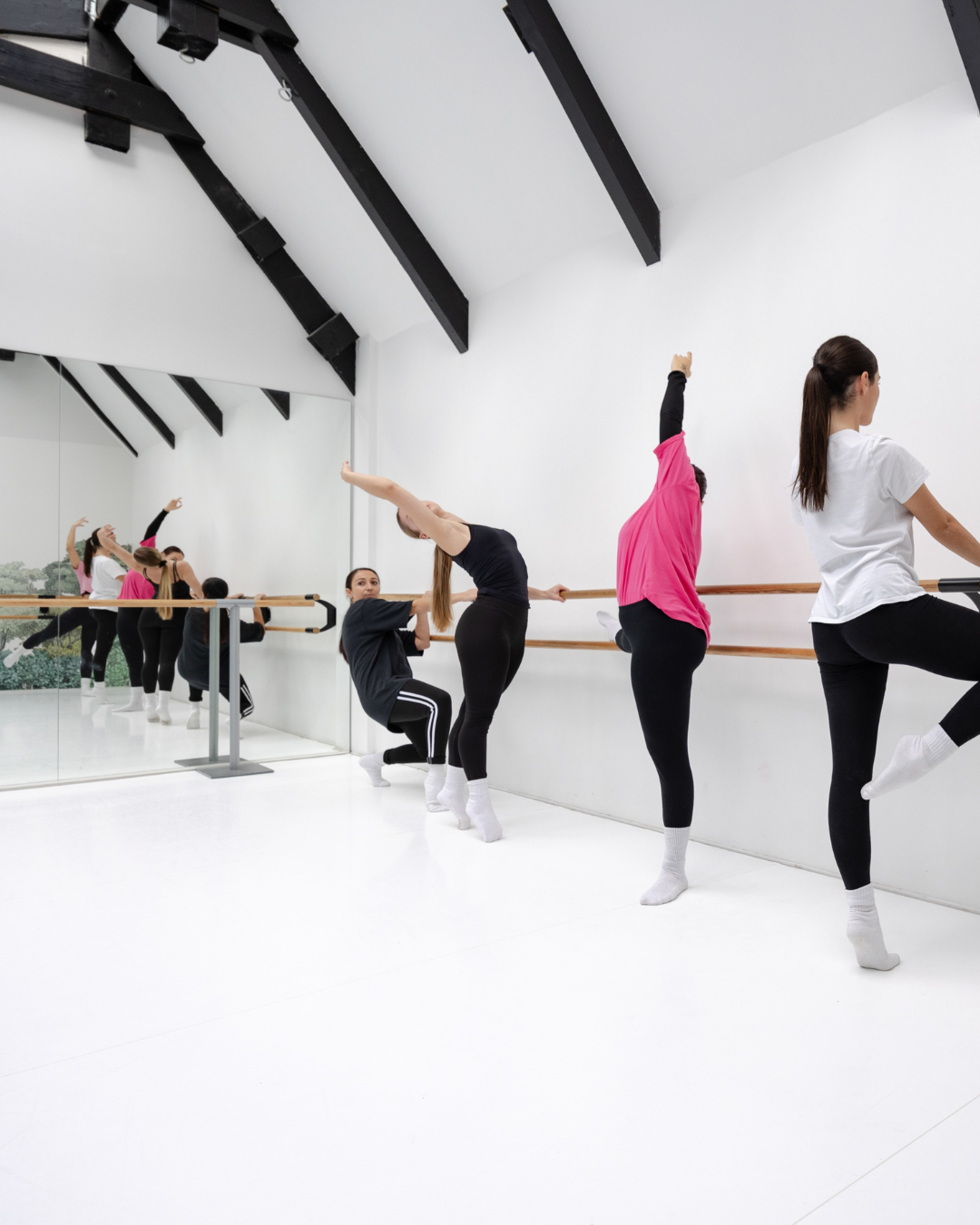
You walk into class or a dance social. The room is buzzing - laughter, familiar hugs, friends greeting each other across the floor. You smile, but inside, you’re wondering: Do I belong here?
If you’ve ever felt like an outsider in a dance community, you’re not alone. Even the friendliest dance scenes can feel intimidating at first - especially when certain groups already seem to have their rhythm together.
How to Join a Dance Class as an Adult Introvert: Practical Tips for Feeling Comfortable From Day One
There is a common assumption that dancers are smiley, outgoing attention-seekers with not a shy bone in their bodies. This can unfortunately be the stereotype so many of us feel obligated to conform to.
But the reality is the exact opposite. In fact, many of the best dancers in the world are complete introverts, and for a good reason. Being an introvert in dance isn’t a disadvantage; it’s a superpower.
Adults Don’t Learn Dance Slowly - They Just Talk Too Much
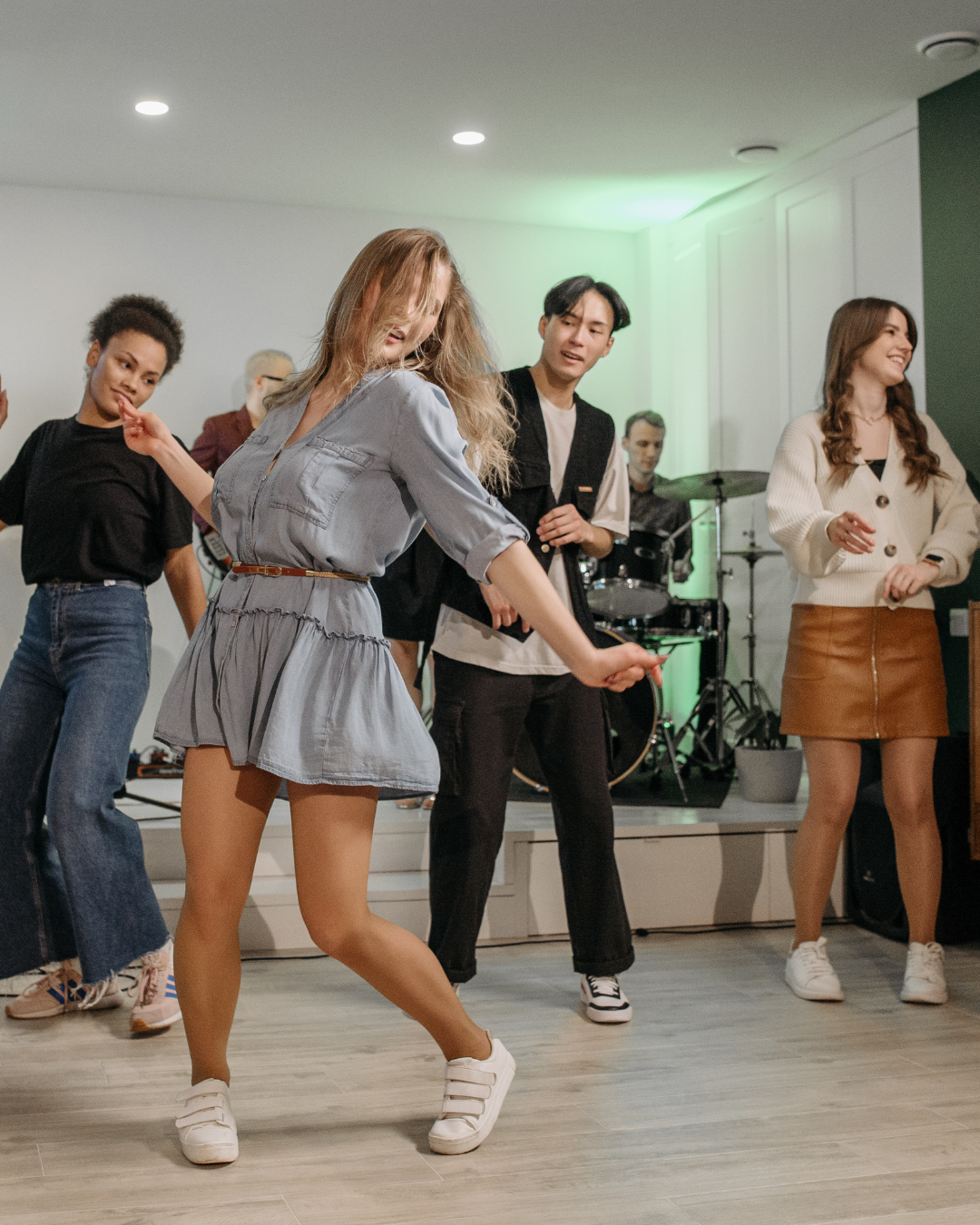
Learning to dance as an adult is exciting… and humbling. You’re used to knowing what you are doing, or at least picking things up quickly in other parts of your life: work, technology, home projects. After all, you’ve been around a while. You know what’s what. So when your feet refuse to cooperate or your body won’t move the way you imagined, it can be… frustrating.
You may have also heard that learning to dance (or to do anything really) takes longer for adults than for children. And, unfortunately, there is truth in this.
The good news? You can learn to dance faster - just not by overthinking it. Here’s how:
From Curtain Call to Calm: Five Ways to Avoid the Post-Show Blues
Think of what gets you excited about your dancing - learning something new, or doing the old things better? Are you a creator or a refiner? Be honest with yourself. And if you are lost, try different approaches, or a combination. The key is to transition in a way that suits you, not just “do more.”

Embracing the Dance Journey: Part Six - The Evolving Dancer: Balance, Growth, and Joy
Dance and music are inseparable. Developing a deeper understanding of rhythm and phrasing can transform how you move. Try listening to different genres—classical, jazz, tango, or pop—and notice how each influences your movement and mood. If you are feeling adventurous, try dancing the same couple of steps to different music, and notice how they change with each genre. Pay attention to the beats, accents, and pauses. When you learn to feel the music rather than just hear it, your dancing becomes more expressive, natural, and connected.

Embracing the Dance Journey: Part Five – Prioritizing Mental and Physical Well-Being
Remember, dance is not just about the steps. The art that you see behind each dance step comes not only from the technique, but from the human being that is behind it. Nurturing your mind, body, and spirit as you move through your dance career is essential for your art to thrive.

Embracing the Dance Journey: Part Four - Embracing Opportunities and Building Resilience
Dance, like any art form, comes with its fair share of challenges. Whether it’s overcoming performance anxiety, technical difficulties, or personal setbacks, building resilience is key. Think of every day as a clean slate. What can you do today to have a productive day in dance? Even if it is taking the day off, do what needs to be done to help you progress.

Embracing the Dance Journey: Part Two – Honoring Your Unique Path
As you progress in your dance practice, it’s vital to remember that every body is unique. This diversity is what makes dance so beautiful! Avoid comparing yourself to others, as everyone has different strengths, weaknesses, and physical attributes. This doesn’t mean you cannot admire other dancers, but rather that you should learn the difference between admiration and creating unrealistic expectations for yourself. Instead of striving to look like someone else, focus on embracing your own body and its capabilities. Yes, this can be harder than learning the actual dancing. But the more you learn to work with your body, the more you will be surprised how far it can take you.

Embracing the Dance Journey: Part One - A Guide for Adult Dancers Committing to Regular Practice
Rest is an integral part of any fitness regimen, including dancing. As you increase your practice frequency and the complexity level of your dancing, your body will need time to recover. Overworking can lead to injuries and burnout, hampering your progress. Make it a point to include rest days in your schedule. Then stick to the schedule, even if you feel like practicing. Use the time to relax, stretch, or engage in gentle activities that promote recovery. My personal favorite is watching dance videos on youtube (while plumped down on the couch, like a lump). It allows me to still enjoy dance, but lets my body recover.